Monday, July 20, 2020

The Best Movies of 2020 (So Far)

                                       
Aviva
Aviva tackles the multifaceted nature of gender identity in fittingly diverse fashion, depicting the highs and lows of a couple’s relationship via narrative and modern-dance means – as well as by having both a man and a woman play each of its protagonists, male Eden (Bobbi Jene Smith, Tyler Phillips) and female Aviva (Zina Zinchenko, Or Schraiber). That Buñuelian device speaks to the masculine and feminine sides of both characters, whose ups and downs together and apart form the basis of Boaz Yakin’s (Remember the Titans) unconventional semi-autobiographical tale. From email pen pals, to husband and wife, to estranged exes, Eden and Aviva’s love story is told from both external and interior vantage points. The writer/director employs narration, shifts in perspective, flashbacks, and wild dramatic scenes—both male and female Edens and Avivas sometimes share the screen, partying, arguing or having passionate sex—to provide an intimate sense of the desires and fears propelling these conjoined figures forward. Yakin’s sinuous, passionate indie is as entrancing as it is daring.

Coronavirus


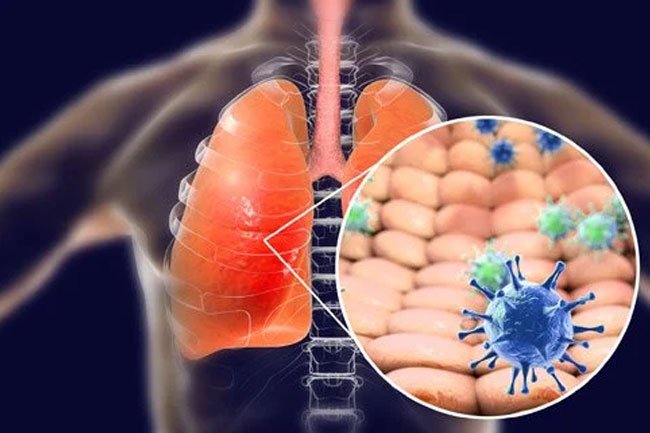
Coronavirus disease (COVID-19) is an infectious disease caused by a newly discovered coronavirus.
Most people infected with the COVID-19 virus will experience mild to moderate respiratory illness and recover without requiring special treatment.  Older people, and those with underlying medical problems like cardiovascular disease, diabetes, chronic respiratory disease, and cancer are more likely to develop serious illness.
The best way to prevent and slow down transmission is be well informed about the COVID-19 virus, the disease it causes and how it spreads. Protect yourself and others from infection by washing your hands or using an alcohol based rub frequently and not touching your face. 
The COVID-19 virus spreads primarily through droplets of saliva or discharge from the nose when an infected person coughs or sneezes, so it’s important that you also practice respiratory etiquette (for example, by coughing into a flexed elbow).
At this time, there are no specific vaccines or treatments for COVID-19. However, there are many ongoing clinical trials evaluating potential treatments. WHO will continue to provide updated information as soon as clinical findings become available.
Stay informed:

Saturday, April 25, 2020

Coronavirus COVID-19 (SARS-CoV-2) Pandemic Outbreak: 10 Things You Need to Know


What Is a Coronavirus?


The coronavirus is a big family of pathogens. Some of them cause mild illnesses like the common cold. Others can cause fatal infections. A coronavirus gets its name from how it looks. Under an electron microscope, these pathogens exhibit spikes that resemble the angles of a crown. There are many coronaviruses that only infect animals. Some evolve in their animal hosts to infect humans. The type that infects humans was first identified in the 1960s. Since then, seven human-infecting types of coronavirus have been identified, including the new Coronavirus also known as COVID-2019.
For the latest news updates, facts, and resources, please visit the MedicineNet Coronavirus COVID-19 Health Center.

What Is Coronavirus COVID-19 (SARS-CoV-2)?


On Jan. 7, 2020, Chinese health authorities announced that they had isolated the virus spreading in Wuhan. This novel coronavirus was named initially referred to as 2019-nCoV and was also called Wuhan coronavirus because the first infected people came from Wuhan City, Hubei Province in China, a city of more than 11 million people and a major transportation hub. On February 11, 2020 the disease was officially named COVID-19 and the virus that causes it, officially named SARS-CoV-2. This virus resembles other serious human coronavirus types MERS and SARS in that all belong to the "beta" subgrouping of virus. The CDC notes that MERS and SARS both began as infections in bats before mutating to infect humans.

What Are the Symptoms of Coronavirus COVID-19 (SARS-CoV-2)?


The symptoms of this virus illness resemble other respiratory infections. Infected people may experience coughing and fever, as well as shortness of breath. Some patients have had vomiting, diarrhea, and similar stomach symptoms. The most severe cases have caused pneumonia, severe acute respiratory syndrome, kidney failure, and death. According to the CDC, some infected people have few or no symptoms, whereas others may be severely ill or die from the disease. Initial estimates suggest symptoms begin after exposure from 2 – 14 days with an average of 5 days.

Monday, April 13, 2020

New York state virus death toll surpasses 10,000: Live updates


New York Governor Andrew Cuomo says he believes 'the worst is over' as hospitalisations appear to plateau.
  • China has reported the highest number of new coronavirus cases (108) in nearly six weeks.
  • The death rate in Italy, Spain and France - three of the countries worst-affected by the coronavirus - appears to be slowing.
  • Japan's Hokkaido island declares a second state of emergency.
  • Russia records its highest daily jump in coronavirus cases with 2,558 new infections. 
  • French President Emmanuel Macron is due to address the nation for a third time later on Monday.
  • Globally, more than 117,000 people have died while nearly 443,000 have recovered, according to data compiled by Johns Hopkins University.